How to adopt a pet
from the RSPCA
Every pet adoption starts with finding the right match. Here’s what to expect from the RSPCA adoption process – from searching for a pet to welcoming them home, with honest advice and ongoing support at every step.

Jump to:
Pet adoption process guide
Find a pet
We’d love to help you find the right pet. Read our pet profiles on our Find a Pet search as a starting point to see which animals might be a good match for you. Each profile shares what we know about the animal, including their personality, needs and the kind of home that will best support their welfare. If you’re not sure how to adopt from the RSPCA, we’re here to help you explore your options.
Apply
When you’ve found a pet you’d like to meet, complete the application on their profile page. This helps our teams understand your home, lifestyle and experience, so we can make sure the animal’s needs will be met, or suggest alternatives if another animal might suit you better. Don't overthink this, just answer the questions honestly. They’re designed to help us have further conversations with you. Include anything you think is relevant to your new pet. You’re welcome to apply for more than one pet if you wish. If the animals you’d like to meet are in different rescue centres, you’ll have to fill in a form for each centre. Once you’ve successfully submitted your form, you’ll receive an online acknowledgement.
Matchmaking and assessment
Our teams review applications and will get in touch with suitable matches, to talk things through on the phone. We’ll be clear about an animal’s needs, answer any questions you have and let you know if we need anything else from you at this stage. If it seems a good match, we might pass your application to our animal care teams. If we think it's not quite the right match, we could suggest alternative animals. Every adoption is considered individually, with the animal’s welfare at the heart of each decision.
Meet and get to know each other
If we find a positive match, we’ll arrange a meeting with you and anyone who shares your home, including any children and your dog if you’re adopting a dog and have one already. Some animals may need more than one visit, especially if they have complex needs. This time is about making sure everyone feels comfortable and confident.
How long the RSPCA adoption process takes depends on the individual animal and your circumstances. Adoption timelines vary from case to case, which means some move faster than others.
Final checks and taking your pet home
Once you’re ready to move forward, we’ll guide you through the final steps, including paperwork, adoption fees and practical advice.
If you’re wondering how much it costs to adopt from the RSPCA, adoption fees vary depending on the type of animal and the centre. They help contribute to the cost of veterinary care, vaccinations, neutering and preparation, and you’ll receive key documents and guidance to help your new pet settle in safely.
After adoption, your local centre remains available for advice and support. In many cases, this may include follow-up calls or home visits, alongside access to our online pet care and welfare guidance.
Pet adoption requirements
Every adoption is different. These are our RSPCA adoption requirements, designed to make sure every animal goes to a safe and suitable home.
Rather than having fixed rules, our teams focus on whether you can meet the needs of a specific animal. You’ll also need to meet your legal responsibilities under the Animal Welfare Act, including providing a suitable environment, proper care and veterinary treatment.
Holidays, moving house or having a baby do not automatically mean that your application will be unsuccessful. However, they can affect your ability to provide the time, stability and care the animal needs. They can also cause disruption to the animal’s routine and environment during an already potentially sensitive time. We may recommend waiting until things are more settled before adopting.
Generally, living alone shouldn't have any bearing on your application as long as you’re able to look after your new pet’s needs. If you’re adopting a dog with behavioural needs, our behaviour experts might suggest it’s not quite the right fit. If you have a family, make sure everyone is on board with the decision to adopt an animal.
It's important to be open and honest about your current circumstances and any likely future changes. This helps us make sure that the adoption is right for both you and the animal.
If the pet you’ve applied for isn’t the right match, we’ll help you explore other animals who may be better suited to your circumstances.
RSPCA adoption requirements
We’ll look at things like:
Whether your home environment is safe and suitable
How much time you can offer, including how long a pet may be left alone
Your experience with animals and willingness to use reward-based training
Your ability to meet ongoing costs, including food, insurance and veterinary care
Landlord permission if you rent your home

Animal Welfare Act 2006
All animal owners are required by law, under the Animal Welfare Act 2006, to care for animals properly by meeting their five welfare needs.
- A suitable place to live
- A healthy diet, including fresh, clean water
- The ability to behave normally
- The right company, including any need to be housed with, or apart from, other animals
- Protection from pain, suffering, injury and disease.
What pet is right for me?
Answer a few questions and discover which rescue pet may suit you best based on your lifestyle, home and family.
We’ll provide you with a recommendation on the pets who might be right for you along with advice and any changes that could make you a better match.
How to adopt
Explore adoption processes for each pet


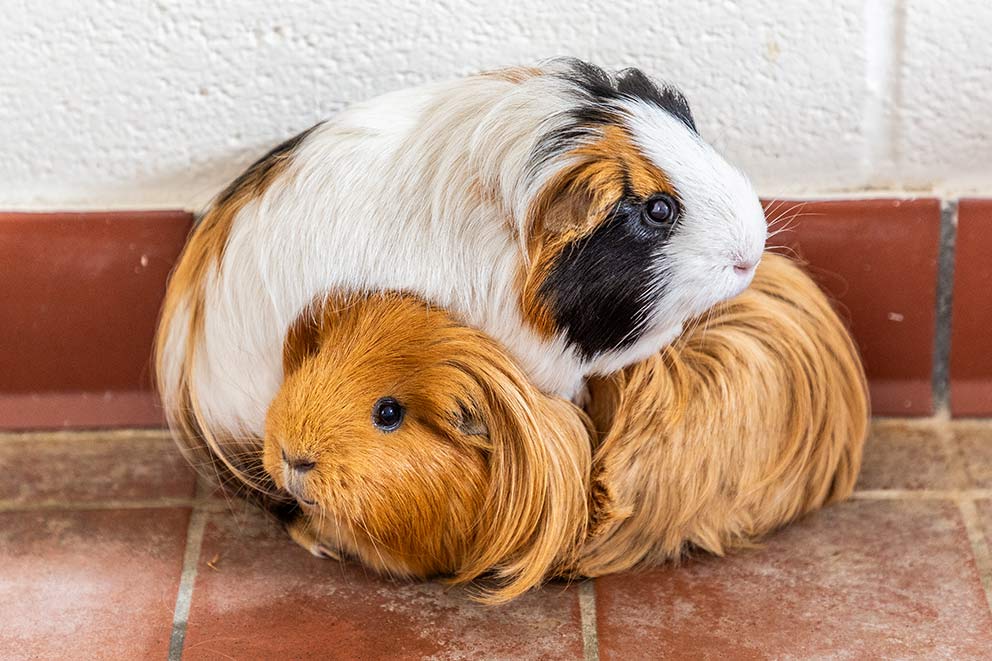


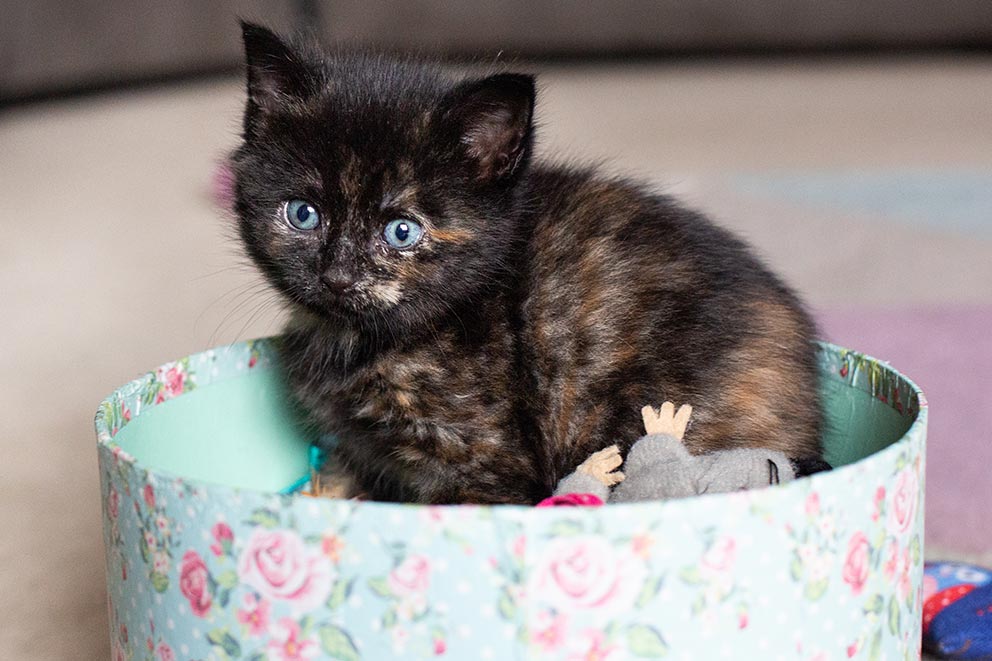
Meet the animals
Ready to take the next step?



Your application process
Our team considers each application individually, taking into account the needs of the animal and your circumstances, home and lifestyle. While you’re waiting to hear, if you’d like to update your application, please contact the branch directly.
Once you’ve applied, we’ll contact you whether you’re successful or unsuccessful. It might take a bit of time as the centre may be busy or the animal may have had multiple applications. Puppies and kittens in particular tend to get lots of applications shortly after they're listed. Don’t worry if you miss a call from us, you can just call back or email the centre directly.
The centre will provide key information about the animal, including which vaccinations they've had, when they were last given flea and worm treatment, microchipping and their current diet, as well as insight into their behaviour and needs. They can also share their observations from the time the animal has been in their care.
Don't be afraid to ask questions. The centre is there to help you understand what the animal needs and what life with them may be like. This can help you make an informed decision and give the animal the best possible start in their new home.
If your application is unsuccessful, this is just for the specific animal you've shown interest in. It doesn't necessarily mean you're unsuitable to adopt any animal.
We’ll use your details to suggest alternative matches at the time of application if there's a more suitable animal for your home, experience and lifestyle.
Post adoption concerns
If you’re feeling unsure about anything, be honest with the centre about how you're feeling and any concerns you have. They can help answer your questions so you can make an informed decision. We can offer support or signpost you to external resources.
Some centres may be able to keep an animal on reserve for a short period while you consider your decision, but this will vary between centres. In some cases, the centre may remove the reservation so that the animal can continue to be considered by other potential adopters.
If you still feel it’s not the right fit once you’ve brought the animal home, contact the centre you adopted from. Their Behaviour and Welfare Advisor may be able to provide advice and offer support. If you wish to return the animal, the centre will let you know when they are able to take them back.
Foster an animal
If adoption isn’t possible for you right now, fostering is a flexible way to help an animal in need. You’ll provide a temporary home while we cover essential costs and offer ongoing support.