
Improving the lives of every animal
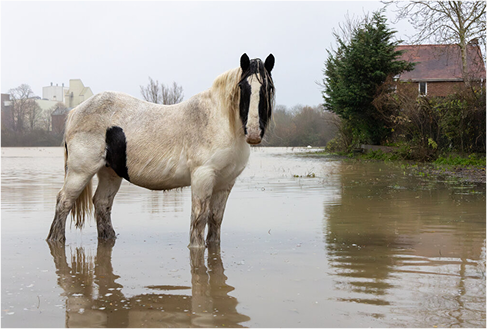
Cattle being left to starve in dried-up fields as temperatures soar, fruit bats dropping dead from the sky en masse due to heatstroke, billions of animals perishing in wildfires, and flooded national parks seeing threatened wildlife drown. These terrible events aren’t part of a dystopian future - they are happening now.
Climate change is destroying habitats and food sources for animals around the globe. One thing that we remind ourselves at the RSPCA is that we are not a conservation organisation; we are an animal welfare organisation. We are not about preserving precious species from extinction - there are other brilliant organisations who do that - we are about improving the lives and wellbeing of every animal. But as the climate and nature crisis deepens, it is clear that this is not just an environmental issue - it is one of the biggest animal welfare challenges we face and we all need to work together to solve it.
Fire, flood and famine
Every month there are reports of climate-related disasters around the world causing huge suffering to people and animals. Last July saw reports of severe flooding in India which swamped a national park and despite rescue efforts saw six threatened rhinos and other wildlife drown.
In June 2024, the South Australian RSPCA saw cattle welfare reports triple due to poor weather conditions and lack of feed, which saw animals left to starve due to lack of grazing thanks to one of the driest starts to the year on record. In 2020, it is estimated that severe wildfires across Australia killed almost three billion animals whilst almost one-third of the country’s spectacled flying foxes, an endangered bat species, were completely wiped out during a heatwave in 2019 seeing thousands of fruit bats dropping from the sky as they died from heatstroke.
This year, we’ve seen wildfires in LA, and flash flooding in Texas - just two of hundreds of disasters around the world, causing a devastating human cost while the inevitably huge toll on wildlife, pets and livestock is hard to quantify.
UK animals at risk
But it’s not just these dramatic, tragic world events which are impacting animals’ welfare. We are seeing it closer to home. While the UK’s milder climate means we don’t yet see the extremes seen in other parts of the world, floods, droughts and heatwaves are becoming more common and more intense. In June and July 2025, we saw temperatures peak at 33 degrees and prolonged bouts of dry, hot weather. This is a risk to our pets, with animals with health conditions, thick fur or flat faces at increased risk of overheating resulting in heat stroke. It means extra measures need to be taken such as avoiding walks when it’s hot, stopping our pets lying in the baking sun, or stopping them chasing balls and giving them something else to keep them happy, when the temperature soars. We will need to be extra vigilant in caring for our pets as hot, dry summers become the norm.
It’s not just our pets, farmed animals face dehydration and heat stroke too, and there is additional risk from handling or transporting farmed animals during the heat, which could cause suffering, illness or even death. Wildlife habitats are also under threat in this weather and animals face stress from the heat. Food supplies are disrupted, risking malnutrition, birds struggle to find food and water, droughts harden the ground making it hard for badgers and hedgehogs to dig for worms, while their young hoglets and cubs risk becoming dangerously dehydrated; ponds containing tadpoles may dry up, meaning any which haven’t yet changed into froglets or toadlets will die. Warmer winters may also affect amphibians by disrupting their hibernation. The timing of the emergence of different insects will shift, potentially disrupting the diets of migratory birds which have evolved over millions of years to travel the world for food.
What is good for animals, is good for us
RSPCA Wild Animals Scientific and Policy Officer Rebecca Machin said: “We know the fate of animals is inextricably linked to our own futures and that of the planet. We can’t talk about the future of animal welfare without talking about climate change, and we can’t look to the future without addressing what’s already happening right now - and what we can do to change it.”
Our Animal Futures project highlights the potential impact climate change could have on animals and their wellbeing in the future. This digital experience envisions five possible future scenarios for 2050. The scenarios examine how factors, including climate change and loss of natural habitats, as well as rapid technological and demographic changes, could shape the world for animals and people.
The choices we all make today can impact the animals and people of tomorrow. While the challenges we face sometimes seem overwhelming, we can make a difference. We can consider our own climate impacts, campaign for government policies which support nature and animals, learn how to better care for our pets in hot weather or help the wildlife in our neighbourhoods to survive. Tackling these critical issues now can help create a better future for us all.
Check out the Animal Future interactive experience.