How to foster a rabbit
Learn what’s involved in fostering a rabbit with the RSPCA. Discover how the process works, the support you’ll receive and how foster rabbits benefit from a safe home environment while they wait for adoption.
Jump to:
Rabbit foster process
Register as a volunteer
If you’re wondering how to foster a rabbit with the RSPCA, the first step is to register as a volunteer through our platform. This allows us to learn more about you, your home environment and your availability. Once registered, you’ll be able to explore opportunities to foster a rabbit near you, through your local RSPCA branch or animal centre.
Apply for a rabbit fostering role
When you find a suitable opportunity, you can apply to become a rabbit foster carer. Our team will review your application to understand your home environment, lifestyle and the type of rabbit you may be able to support. The goal is to make sure the placement works well for both you and your new companion.
Home check and training
If your application is suitable, we’ll arrange a home visit or virtual assessment. This helps us make sure your home environment is safe and suits the needs of the rabbit being placed with you. Our team will also provide guidance, so you feel confident caring for your foster rabbit.
You’ll receive advice on settling in, behaviour, enrichment and creating a calm environment to help your foster rabbit feel secure.
Collect your foster rabbit
When matched, you’ll collect your foster rabbit from the centre or an agreed location.
Some rabbits need a home environment because they’re recovering from illness, waiting for adoption, or struggling to cope in a centre environment. Others may be young rabbits who are not yet ready for rehoming. We’ll provide guidance on housing, routine and daily care, so you feel confident supporting your foster rabbit from the start.
Ongoing support
Fostering placements vary depending on the rabbit’s needs. Some may last a few weeks, while others may continue for longer.
During the placement, our team will stay in touch and provide advice and support if needed. Your role is to provide a safe, calm environment while the rabbit prepares for adoption or the next stage of their care.
Why foster a rabbit?
Fostering plays an important role in helping rabbits recover and prepare for their future homes.
Some rabbits arrive in our care after suffering neglect or illness, while others struggle to cope in a busy centre environment. Living in a foster home allows them to relax, experience a quieter routine and receive individual attention while they wait to be adopted.
Young rabbits may also need foster homes while they grow and develop, before they are ready for rehoming. By choosing to foster a rabbit, you provide stability and care during an important stage in their journey.
For foster carers, the experience can be deeply rewarding. You’ll help a rabbit feel safe and comfortable, while supporting the RSPCA’s rescue work.
Support we provide
When you foster a rabbit with the RSPCA, you’re supported throughout the placement.
Our teams usually provide:
Food and basic supplies
Veterinary care and medication where needed
Advice on rabbit housing, enrichment and behaviour
Ongoing contact with a fostering coordinator
This support helps make sure both you and the rabbit feel confident and cared for during the placement.
What you need to foster a rabbit
When fostering a rabbit, you don’t need previous experience and a wide range of home environments can be suitable. People living in flats, rented homes or busy households may still be able to foster a rabbit, depending on the rabbit’s individual needs. The most important qualities are patience, compassion and a willingness to help a rabbit feel safe.
Every fostering placement is assessed individually, but generally you’ll need to:
- Be aged 18 or over
- Have permission from your landlord if you rent
- Provide a safe and suitable space for a rabbit enclosure and exercise area
- Be able to monitor the rabbit’s health and wellbeing
- Follow guidance from the RSPCA team about care and handling
- Stay in contact with the centre during the placement
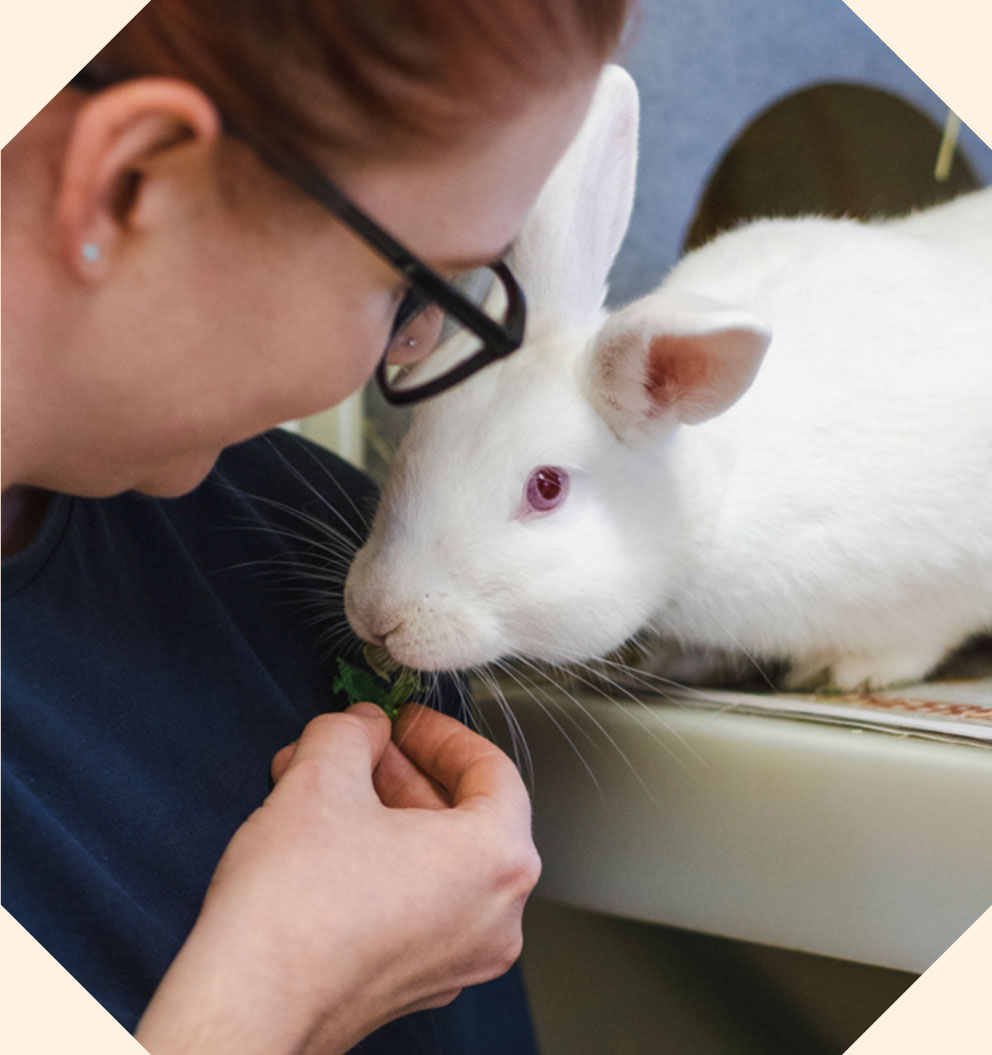
give a rabbit a temporary home
How to apply to foster
If you’re ready to foster a dog with the RSPCA, the first step is registering through our volunteer platform. From there you can:
- Browse opportunities to foster a dog near you
- Apply for a suitable fostering role
- Speak with your local team about potential placements
- Our teams will guide you through the next steps and help match you with a cat that would benefit from your home environment

Frequently asked questions
-
Yes, you may still be able to foster a rabbit with the RSPCA if you live in a flat or rented home. What matters most is whether you can provide a safe, suitable environment and have permission from your landlord, if required.
-
A secure garden can be helpful but it isn’t always essential. Some animals can be fostered indoors or with supervised outdoor access, depending on their needs. Rabbits need a safe, comfortable environment suited to their natural behaviours – spacious housing with room to hop, stretch and explore. Our team will discuss the most suitable environment during the assessment process.
-
Possibly. Each fostering placement is assessed individually. Some animals may be comfortable living with children or other pets, while others may need a quieter home. We’ll help match you with an animal suited to your household.
-
Fostering does require daily care and attention, but many people who work foster rabbits or other animals. The key is making sure the animal’s needs for feeding, monitoring and companionship can be met.
-
You must usually be aged 18 or over to foster an animal with the RSPCA. This means you can take responsibility for the animal’s care and communicate with the centre team during the fostering placement.
-
No formal qualifications are needed. You don’t need previous experience to foster a rabbit or other animals. The RSPCA team provides guidance and advice to help you feel confident caring for your foster animal.
-
Fostering placements vary depending on the animal’s needs. Some may last a few weeks while the animal prepares for adoption, while others may stay longer if they need extra care or recovery time.
-
Case animals are those involved in legal or welfare investigations. They may stay in foster care while their situation is resolved. Outcomes can include returning to their owner, being rehomed, or continuing to receive care through the RSPCA.
-
Requirements vary by species and individual needs. Dogs may need regular walks and basic training, while rabbits need daily space to exercise and explore. Our team will provide guidance on the care and routine for your foster animal.
-
When you foster a rabbit with the RSPCA, most essential costs are covered. Centres usually provide food, equipment and veterinary care, so you can focus on helping the animal settle safely into your home.