Tackle cruelty on holiday: don't pose with tigers or visit captive marine animals
Location:
Date:
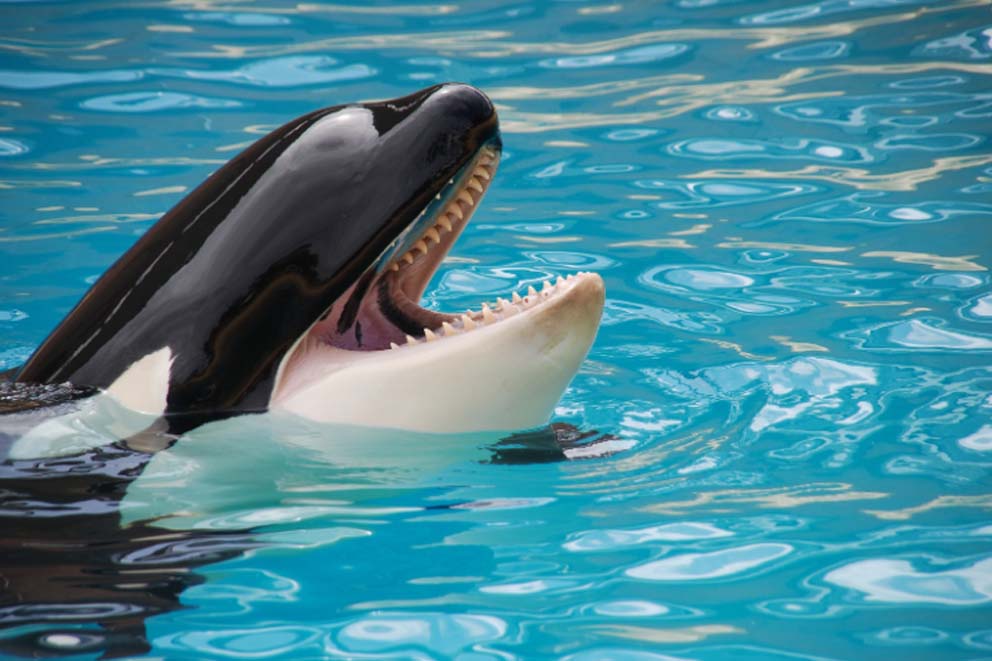
RSPCA urges TUI to stop supporting venues keeping whales and dolphins captive.
The RSPCA is urging people jetting away on holiday this summer to consider forgoing animal experiences which may be more cruel and shocking than they realise.
From posing with tigers, taking monkey selfies, visiting marine parks and swimming with dolphins, there are many animal experiences offered to tourists which sadly exploit animals and cause suffering.
The Animals Abroad Act banned holiday companies based in England and Northern Ireland from advertising anything to travellers about ‘entertainment’ activities that exploit wildlife abroad that are illegal in the UK. However, this has never been implemented, meaning travel agents such as TUI are still tempting jet-setters with these experiences which are cruel to animals.
In 2024, the RSPCA joined other NGOs in calling on TUI to join the rest of the UK travel industry in turning its back on venues that keep cetaceans captive. In the ocean, orcas can swim up to 150 miles a day, but at marine parks, these highly intelligent animals with their own language and culture are often kept in concrete tanks that are approximately 10,000 times smaller than their natural range. Many tourists and travel agents have stopped visits to venues like SeaWorld, but despite calls for TUI to do the same, they have yet to change their policy.
David Bowles, Head of Public Affairs at the RSPCA, said: “We have been calling on TUI to stop offering and promoting tickets to venues which keep whales and dolphins captive, but we are deeply disappointed that they are yet to make any real, impactful change for animal welfare.
“Riding an elephant, swimming with dolphins, cuddling a tiger cub, or taking a picture with a monkey may seem like a once-in-a-lifetime experience - but all of these can often have very serious animal welfare and safety risks for tourists. No animal deserves cruelty, wherever they are in the world - and all our fellow living creatures deserve our respect.
“If there is a demand for activities like these and money to be made, then cruel practices will continue, which is why we urge people to research the activities and, if in any doubt, look for ethical alternatives.”
This comes as the RSPCA has launched its Summer Cruelty Campaign - showing the side of this season which many people don’t see - when animal cruelty reports peak. In June, July and August 2024 the RSPCA took 34,401* cruelty calls to their emergency line - compared to 25,887* the year before - up by A THIRD.
On average, it took 374 reports of cruelty against animals every single day during this period or one call EVERY two minutes the line was open.
The RSPCA has now released top tips to help holiday-makers make the right decisions while on holiday:
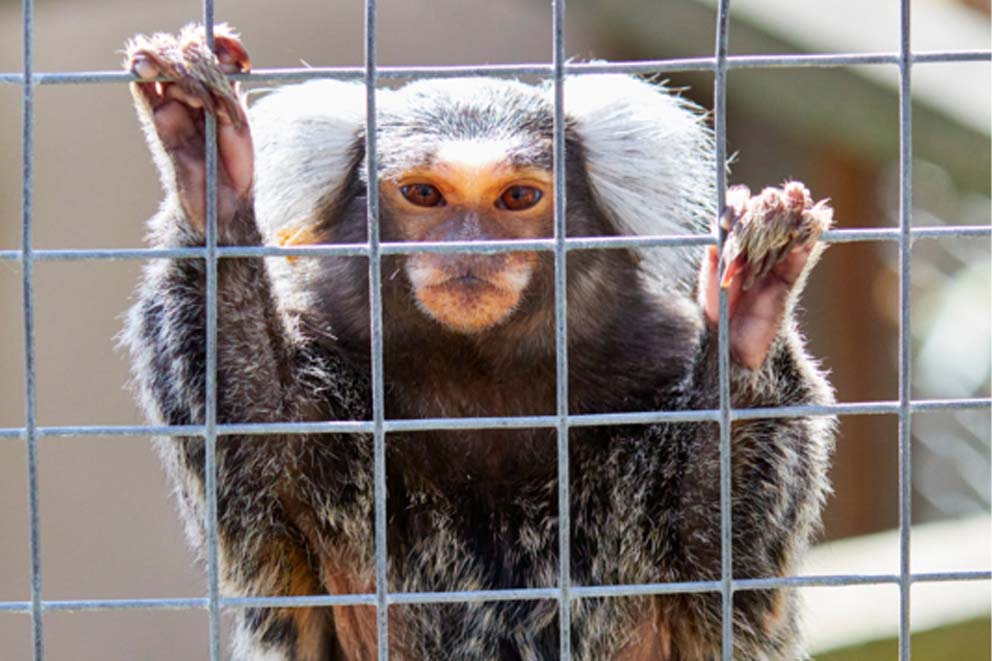
- Say no to a selfie with a monkey: Photographers asking for money may walk around the streets or on the beach offering pictures with a baby chimp or monkey. They may look cute, but these animals may have been taken illegally as babies from the wild to be used by photographers and kept in inappropriate conditions. Don’t fuel the trade by having a photo - just say no.
- Avoid cruel souvenirs: Some markets sell snake or scorpion wine, which may well be made from an animal stolen from the wild and drowned in alcohol. It is generally illegal to import wildlife products such as ivory, tortoise shell, coral and animal skins into the UK without appropriate permits, which are rarely provided in tourist shops. Save yourself some money and ditch the cruel souvenirs altogether.
- Cuddling big cats: Lions and tigers are wild animals, and if they allow you to get close to them, it may be because they have been sedated with drugs to make them easier to handle. This is often the case with snakes, chimps and monkeys too, who could have been left out in the sun all day without food or water, whilst tourists take pictures with them.
- Riding elephants: Elephant riding plays a huge part in many tourist attractions and activities in Asia, but the animals can be kept in horrible conditions when they are not ferrying tourists around. Elephants are often illegally captured for sale to the tourism industry. Once babies are stolen from the wild, they are beaten until they become compliant. ‘Breaking techniques’ see them chained and tortured until their spirit is broken and they will submit. When riding, bullhooks are often used to keep them in check, which can also cause severe suffering.
- Running with bulls: In Spain, Portugal, Mexico and France, there are local festivals where locals and visitors run with bulls, and other fiestas which risk considerable animal suffering. Stay away from bullfighting at all costs. This is big business in Spain and elsewhere, and the money from tourists helps this cruelty to continue.
- Catching waves with a dolphin: Swimming with dolphins kept in captivity may seem like a fantastic idea, but in reality they often have restrictive space to live and can find swimming with people all day stressful. Marine mammal facilities where dolphins and whales are kept in captivity often use animals taken from the wild. Captivity cannot provide for their needs, and they can live shortened lives.
Top tips for an animal-friendly holiday abroad:
- Clean up after yourself: With the increasing attention on the impact of plastics on the environment, our oceans and wildlife, it’s important to remember this when travelling. Beaches strewn with plastic bottles, rubbish and fishing litter taint the idyllic retreat these locations provide, and can also be very hazardous to birds, fish and aquatic mammals. Make sure to pick up any rubbish before leaving the beach.
- Get active: Find a walking or jogging route and put on your trainers. Wildlife is often more active in the morning and evening when it’s cooler, the perfect time to take a hike.
- Be curious: Ask how animals are being cared for, if habitats are protected, where meat in your dinner comes from and if the source is welfare-friendly and sustainable. Any reputable business should be able to give you satisfactory answers.
- Speak out: If you see animals being treated cruelly whilst travelling abroad, then speak out. You can try to contact a local animal protection organisation, shelter or law enforcement whilst you are there. When you return, write to the national tourism authority or embassy of that country in the UK and let them know about your concerns.
- Donate to local charities: If you see local charities helping animals in the place you’re visiting, consider donating to them to continue their vital work. Many countries will have neuter and release programmes for stray dogs and cats, and we’d always encourage tourists to consider donating to these rather than adopting a pet from abroad. This is because there are countless rescue pets at home in desperate need of a second chance of forever home happiness - including many listed on the RSPCA's Find a Pet website.
- Get to know nature: It’s possible to see some amazing wild animals in their natural habitat. Give them the respect they deserve by watching at a safe distance, for example at a nature reserve, and quiz tour operators about what codes of conduct they abide by to ensure animals aren’t negatively affected by tourists.
Whether at home or travelling abroad, we urge people to promote kindness to every kind of animal and help us end cruelty to animals this summer.
Contact media and press
If you’re a journalist looking for interviews, quotes or images, get in touch with our media team. Or, if you’re after some quick facts and figures, we have you covered.