How to foster a horse
Ready to foster a horse? Learn about the process, the support we provide, and the role you can play in giving a horse a safe, experienced home while they wait for adoption.
Jump to:
Horse foster process
Register as a volunteer
If you’re wondering how to foster a horse with the RSPCA, the first step is to register as a volunteer through our platform. This helps us understand your facilities, experience and availability. Once registered, you can explore opportunities to foster a horse near you.
Apply for a horse fostering role
When you find a role you’re interested in, you can apply to become a horse foster carer. Our team will review your application to assess your facilities, handling experience and the type of horse you may be able to support. The aim is to make sure the placement works well for both you and the horse.
Site check and training
If your application is suitable, we’ll arrange a site visit or virtual assessment. This helps us check that your land, stabling and facilities meet the needs of the horse.
We’ll also provide guidance on care, handling and any specific requirements, so you feel confident supporting your foster horse.
Collect your foster horse
When matched, your foster horse will be transported to your premises, or collection will be arranged where appropriate. We’ll provide guidance on routine, feeding and care, to help your horse settle in safely.
Ongoing support
Fostering placements vary depending on the horse’s needs. Some may be short-term, while others may last longer. During the placement, our team will stay in touch and offer advice and support. Your role is to provide a safe, suitable environment, while we work towards the horse’s permanent future.
Why foster a horse?
Fostering plays a vital role in helping horses recover and prepare for their future.
Some horses come into our care after neglect, poor conditions or changes in circumstances. Others may need time to regain confidence or health before they’re ready to be rehomed.
A foster home provides space, routine and individual care that can be difficult to offer in a centre environment.
Fostering a horse can be a deeply rewarding experience. You’ll play a direct role in improving their wellbeing, while supporting the RSPCA’s wider rescue work.
Support we provide
When you foster a horse with the RSPCA, we support you throughout the placement.
Our teams usually provide:
Veterinary care and treatment
Advice on feeding, handling and welfare
Ongoing contact with an RSPCA officer or coordinator
Support may vary depending on the placement and your local team will explain what’s included.
What you need to foster a horse
Fostering a horse requires appropriate facilities and experience. You should be able to provide safe grazing, shelter and daily care, as well as being confident in handling horses.
Every placement is assessed individually, but generally you’ll need to:
- Be aged 18 or over
- Have suitable land, grazing and shelter
- Have experience handling and caring for horses
- Be able to monitor health, condition and behaviour
- Follow guidance from the RSPCA team
- Stay in regular contact with your local team
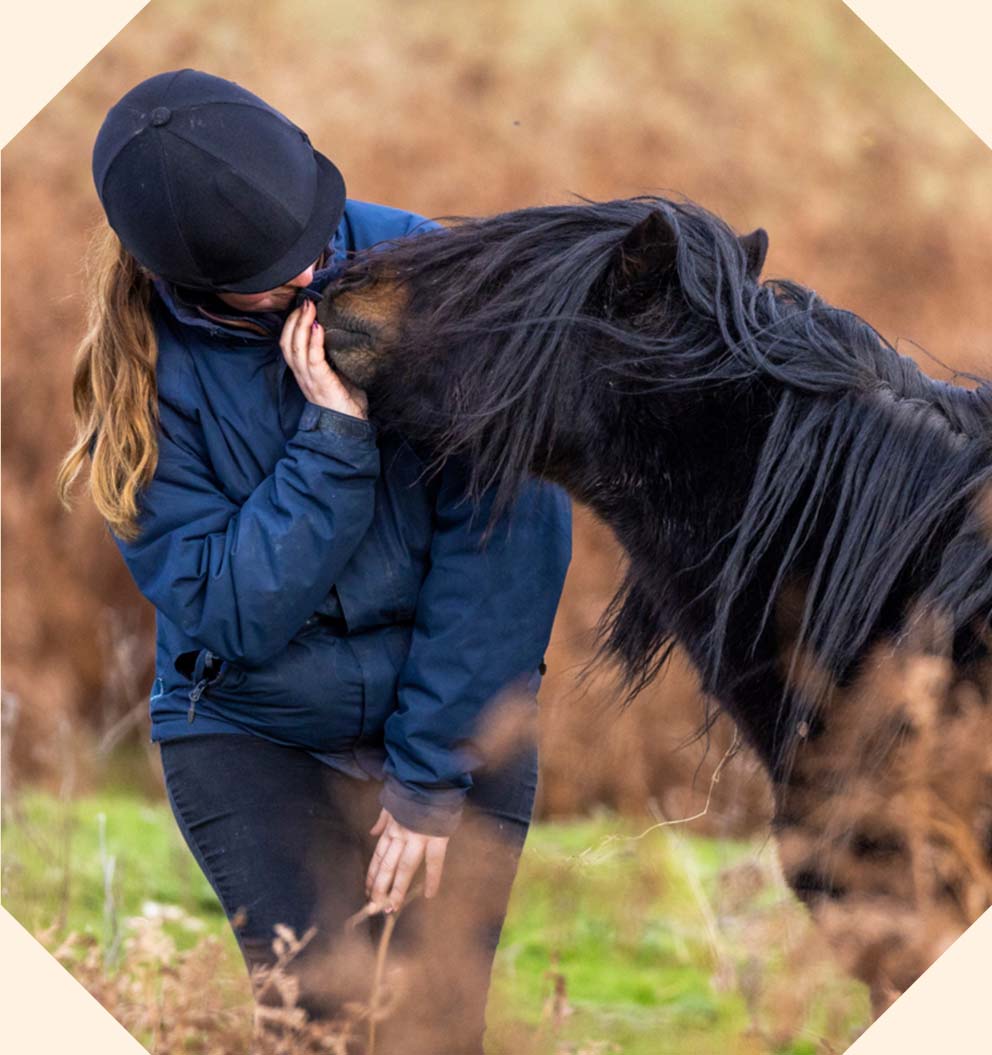
give a horse a temporary home
How to apply to foster a horse
If you’re ready to foster a horse with the RSPCA, the first step is registering through our volunteer platform. From there you can:
- Browse opportunities to foster a horse near you
- Register and apply for a suitable fostering role
- Speak with your local team about placements
- Our teams will guide you through the next steps and help match you with a farm animal that would benefit from your home environment

Frequently asked questions
-
Fostering a horse requires daily care, including feeding, checking health and maintaining their environment. It can be possible alongside work, but you’ll need to make sure the horse’s needs can be met consistently.
-
You’ll need to be aged 18 or over to foster independently, so you can take responsibility for the horse’s care and stay in contact with the RSPCA team.
-
No formal qualifications are required, but experience handling and caring for horses is usually essential. Our team will assess your experience and provide guidance where needed.
-
Placements vary depending on the horse’s needs. Some may be short-term, while others may last longer if the horse needs additional care before moving on.
-
Case animals are those involved in welfare or legal investigations. They may stay in foster care while their situation is resolved, with outcomes including rehoming, returning to their owner, or ongoing care.
-
Horses need appropriate turnout, routine and handling suited to their individual needs. Some may require careful management or rehabilitation, and our team will guide you on the right approach. Most horses benefit from companionship and may need to live with others. We’ll discuss what’s suitable based on your setup and the horse’s needs.
-
Veterinary care is usually covered when you foster a horse with the RSPCA. Your local team will explain what support is provided for each placement.
-
You’ll usually need access to suitable land with grazing, shelter and secure fencing. Our team will assess your setup as part of the application process.
-
This depends on the individual horse and their needs. Some may be ridden or handled regularly, while others may require limited handling. We’ll guide you on what’s appropriate.
-
Our team will guide you on what to do, and veterinary care is usually arranged or covered. You’ll have support throughout the placement.