Foster an animal
Fostering gives animals a safe, temporary home when they need it most. When you foster a pet with the RSPCA, you’re helping animals recover, grow in confidence and move one step closer to a permanent home.
Jump to:
Fostering process
Apply to foster a pet
Apply online to get started with RSPCA fostering. The form takes around 15 minutes and is open to volunteers aged 18 and over who can temporarily care for an animal. We’ll ask about your home, lifestyle, existing pets and availability, so we can understand what type of animal you may be suited to foster and what support you might need.
Chat and home check
Your local centre will contact you to talk through the role and may ask for photos or videos of your home. This helps us make sure your environment is safe and suitable for the animal.
Training and preparation
Before you foster an animal, our teams will make sure you feel confident and supported through essential training and inductions.
Matching and fostering
When the time is right, we’ll match you with an animal who needs foster care. You’ll provide day-to-day care in your home, with guidance and support from the centre throughout.
Ongoing support
Our teams stay in touch while you’re fostering. If anything changes, or you need help, advice or reassurance, we’re always here for you.
If there is nothing listed in your area, check with your local RSPCA branch directly.
Is fostering right for you?
Fostering is ideal if you want to help animals but can’t commit to permanent pet ownership right now. Through RSPCA fostering, you provide a temporary home while we continue working towards the animal’s long-term future.
When you foster a pet, this may include:
Caring for animals who are ready to be rehomed
Supporting animals involved in RSPCA investigations, offering comfort and stability during a potentially lengthy legal process
Helping animals build confidence in a home environment
Playing a vital role in their rehabilitation and preparation for adoption
Fostering can be a great option if you:
Want to care for an animal without a long-term commitment
Want to care for an animal with support for essential costs
Have a change in circumstances coming up soon
Would like to foster an animal while making a direct difference to animal welfare
All fosterers are responsible for the welfare of the animal in their care and are supported by our teams throughout.
How we support our fosterers
When you foster with the RSPCA, you’re never on your own.
Caring for a fostered animal is much like having a pet of your own, with a few additional responsibilities. You’ll follow guidance from your fostering coordinator, which may include using specified vets, keeping dogs on a lead in public or unsecured spaces, keeping cats indoors, and maintaining simple daily records. There may also be occasional visits to the centre for health checks or training support.
We cover essential costs so you’re not financially responsible for the animal in your care. At a minimum, this includes food, litter, basic bedding and toys, veterinary treatment (including flea and worming care), and equipment such as collars, leads or appropriate housing.
Each branch or centre has its own way of providing supplies. You may collect items from the centre, receive deliveries, or agree to purchase supplies and claim back pre-approved expenses. Any limits or arrangements will be clearly explained to you before your foster placement begins.
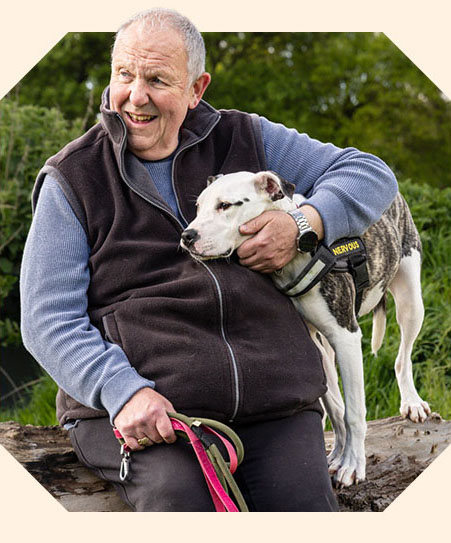
Fostering is incredibly valuable – it offers a lifeline for vulnerable animals who might really struggle in an animal centre environment.
How to adopt
Explore the foster process for animal
How fostering helps animals
Fostering plays a vital role in the rehabilitation of animals in our care. Many of the animals who come to us have experienced neglect, disruption or uncertainty, and may never have known consistent care and affection.
Living with a foster family gives them one-to-one attention in a real home environment, helping them rebuild confidence and adjust to everyday life.
Some animals don’t cope well in a busy centre setting. Others may need to remain in our care for an extended period while investigations or legal proceedings take place. Fostering provides them with stability, routine and comfort during what can be a stressful time.
By choosing to foster a pet, you’re helping animals feel safe and understood, while also freeing up space in our centres for others who urgently need care.

grown too attached?
Adopt your foster animal
Sometimes, fosterers form a strong bond and decide they’d like to adopt the animal they’re caring for. This can be possible, depending on the animal’s situation. If you’re interested, your centre will guide you through the adoption process and next steps.
I ask myself this really important question each time. Is there a better home for this animal? A quieter, safer home than mine?
Fostering frequently asked questions
If you’re thinking about fostering a pet, you may have questions about your home, lifestyle or the support you’ll receive. Here are some of the most common questions about RSPCA fostering.
Home
-
Yes, as long as your tenancy agreement allows the type of animal you’d like to foster. Not all animals are suited to flats, and some dogs may require access to outdoor space, so it may take longer to find a suitable match. Every animal has individual needs, and we match them accordingly.
-
Not necessarily. Many animals can be fostered without a private garden – cats and most small animals are cared for indoors. Some dogs benefit from a secure outdoor space, but others may be suited to homes with communal areas or nearby access for toileting. Not having a private garden may mean fewer suitable matches, so you might have to wait a little longer to be matched.
-
Yes. While you may need to visit a centre for checks or appointments, arrangements can be discussed with your fostering coordinator.
-
Although driving can make it easier to bring fostered animals back to the animal centre, alternatives can be discussed with your fostering coordinator.
Family and lifestyle
-
Yes. Every application is considered individually. Having children or existing pets may mean there are fewer suitable matches, so it could take longer to place an animal with you. Children cannot be responsible for fostered animals, for example they can’t walk a foster dog alone.
-
It depends on the individual animal and your circumstances. Many people foster successfully with flexible or hybrid work arrangements. If you work outside the home full-time, there may still be options depending on the type of animal, or if another adult in your household can share caring responsibilities.
-
Fosterers must be aged 18 or over and have the capacity to temporarily care for an animal. If there are multiple adults in the household, one person will be the primary fosterer, though others can be registered to share responsibilities.
-
No specific qualifications are required. You’ll complete online training and receive guidance from your fostering coordinator to help you feel confident in caring for the animal placed with you.
Costs and support
-
There should be no essential costs for the fosterer. The RSPCA provides supplies such as food, bedding, toys, and veterinary care. Reasonable, pre-agreed out-of-pocket expenses can be claimed back.
-
Fosterers are usually required to use specified veterinary practices arranged by the RSPCA. Your fostering coordinator will explain how this works before placement.
-
You’ll complete online training before your first placement and may receive in-person training where needed. Your fostering coordinator and local team are available for advice, support and guidance throughout your fostering journey.
-
This can vary depending on the animal. You may need to attend occasional health checks, training sessions or review meetings. Your fostering coordinator will agree any arrangements with you in advance.
Animals and guidance
-
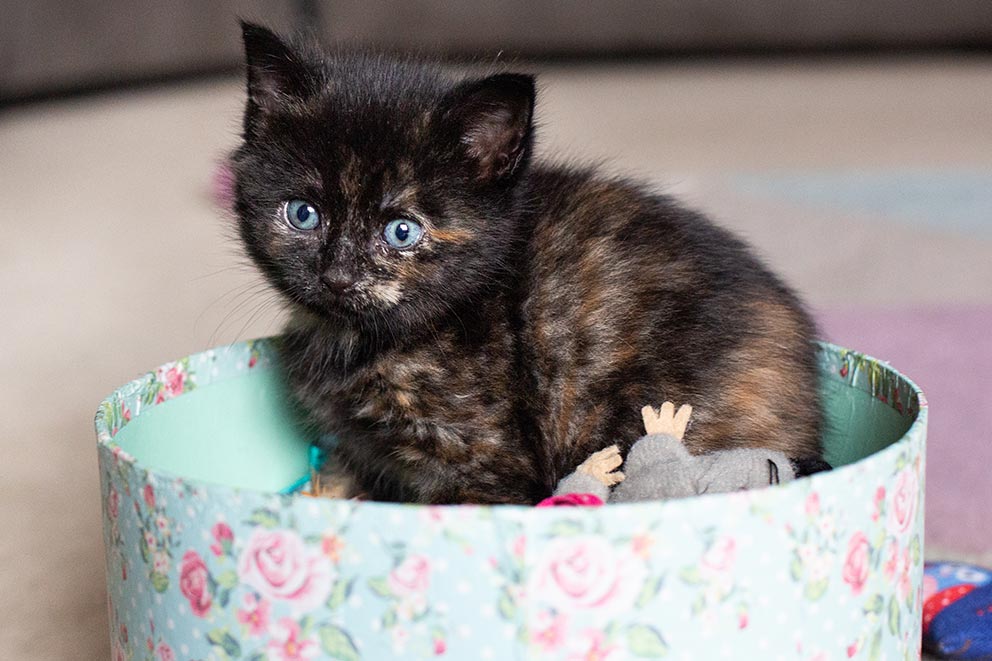
Fostering can last from a few days to several months, or sometimes longer, depending on the animal’s needs. For example, kittens may stay until they are old enough for adoption, while some animals may remain in foster care during ongoing investigations.
-
Case animals are those involved in RSPCA investigations. They may need to remain in foster care while legal proceedings take place. Outcomes vary depending on each individual situation.
-
Daily care is similar to having your own pet, with some additional responsibilities. This may include keeping dogs on a lead in public, keeping cats indoors, maintaining simple records, and following any specific care or training guidance provided by your fostering coordinator.